Why is operating charging infrastructure becoming more complex for energy suppliers?
As electric mobility expands, scalable charging infrastructure is becoming increasingly important for Swiss energy suppliers. However, the more charging points and locations are added, the more demanding their operation and management become.
Charging stations from different manufacturers need to be integrated, charging points monitored and consumption data made available to existing ERP and billing systems. At the same time, end customers expect easy access to charging stations and transparent tariffs.
This is exactly where sintio.xlink comes in. The billing solution was developed for energy suppliers that want to operate and bill their charging infrastructure themselves while using a central software platform and accessing the energy data required for billing.
The Sintio portal brings together key processes such as monitoring, user management, tariff management and the recording of charging sessions and consumption data. With sintio.xlink, energy suppliers continue to handle billing themselves, while Sintio seamlessly provides the required energy data in the appropriate format via an export interface.
How can charging stations from different manufacturers be managed in one place?
A growing charging infrastructure with different charging station models does not necessarily require multiple backends and portals.
With sintio.xlink, compatible charging stations from different manufacturers can be managed through the central Sintio backend. Compatible models communicate using the open OCPP standard.
This gives energy suppliers greater flexibility and future-proofing, particularly for existing and expanding charging networks. Instead of permanently limiting the entire infrastructure to a single hardware manufacturer, different compatible charging stations can be brought together on one platform.
Locations → Charging stations → Users → Charging sessions → Consumption data → Monitoring → Billing
This allows energy suppliers to maintain an overview across multiple locations while reducing dependence on individual hardware manufacturers.
White Label: Your own brand in the app and portal
For energy suppliers, technical infrastructure is not the only important factor. Maintaining relationships with their end customers also plays a key role.
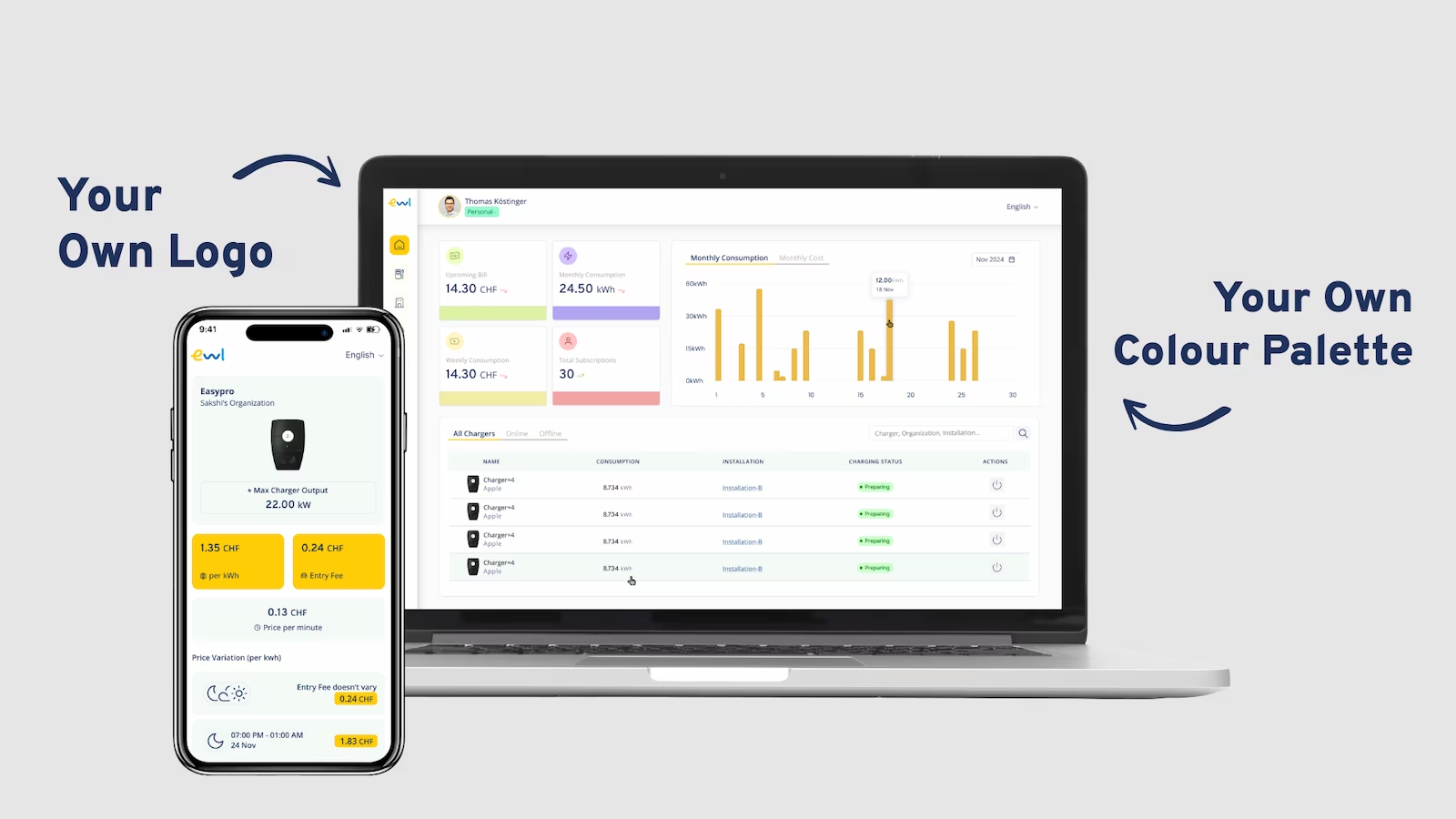
That is why sintio.xlink can be combined with Sintio's white-label service. The web portal and app can be customised to match the energy supplier's corporate design, including its own colours and logo.
Sintio remains the technology platform behind the scenes, while the energy supplier's brand takes centre stage for customers.
This means branding does not stop at the charging station. Whether customers start a charging session through the app, log in to the web portal or use other digital services, the energy supplier's brand remains visible.
How does charging consumption data reach the ERP system?
For energy suppliers, data from charging stations must integrate seamlessly with existing processes. This is why the automated provision of charging consumption data is a core feature of sintio.xlink.
Automatic export jobs can be configured in the Sintio portal to provide billing-relevant consumption data to downstream systems at the required frequency.
The data can be provided as tariff-based consumption values or as 15-minute time series, in the appropriate format for the respective system.
This also works reliably during periods when charging stations are offline, with the relevant status codes transmitted accordingly. As a result, charging infrastructure can be seamlessly and professionally integrated into existing billing processes.
Different tariff models can also be supported. For example, energy suppliers can configure peak and off-peak tariffs as well as individual e-mobility tariffs.
The backend therefore acts as an interface between:
Charging station → Consumption data → Sintio → ERP/Billing
Practical example: How ewl uses sintio.xlink
Our collaboration with ewl in Lucerne demonstrates what such a solution looks like in practice.
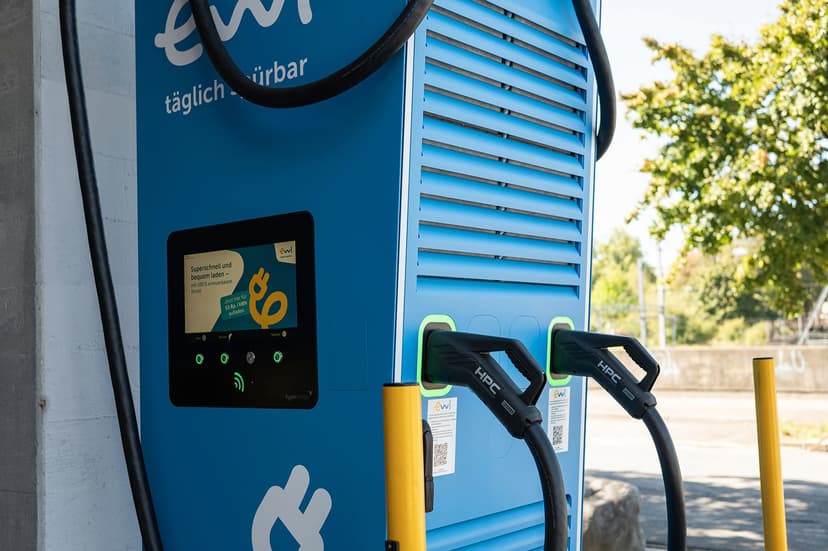
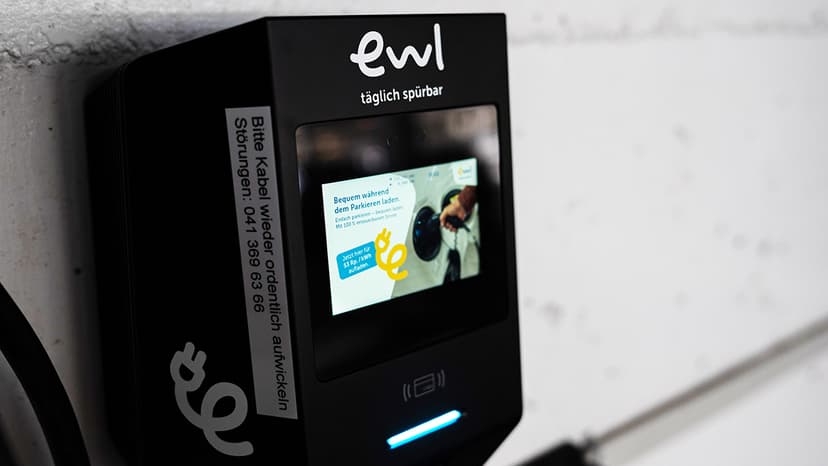
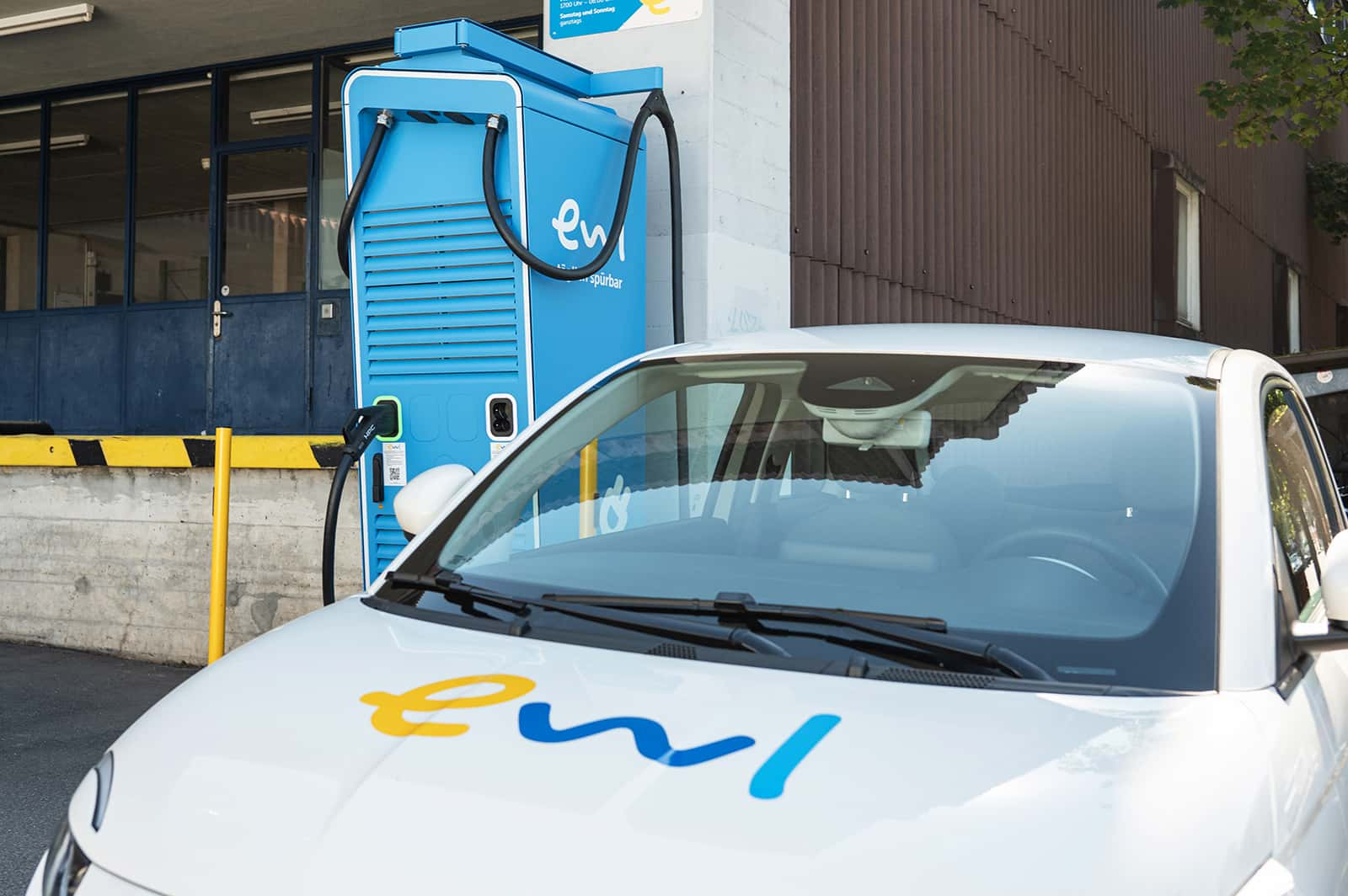
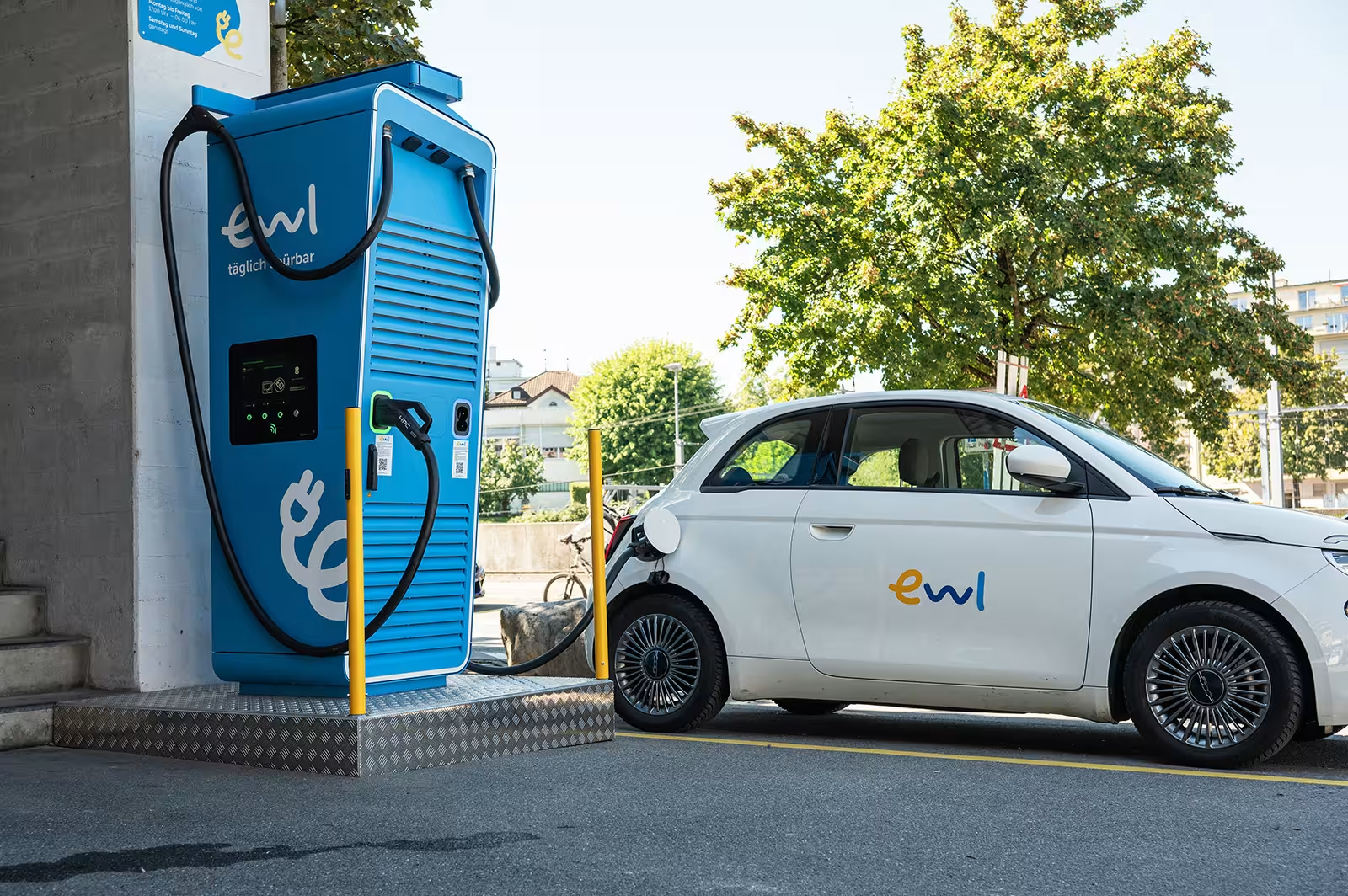
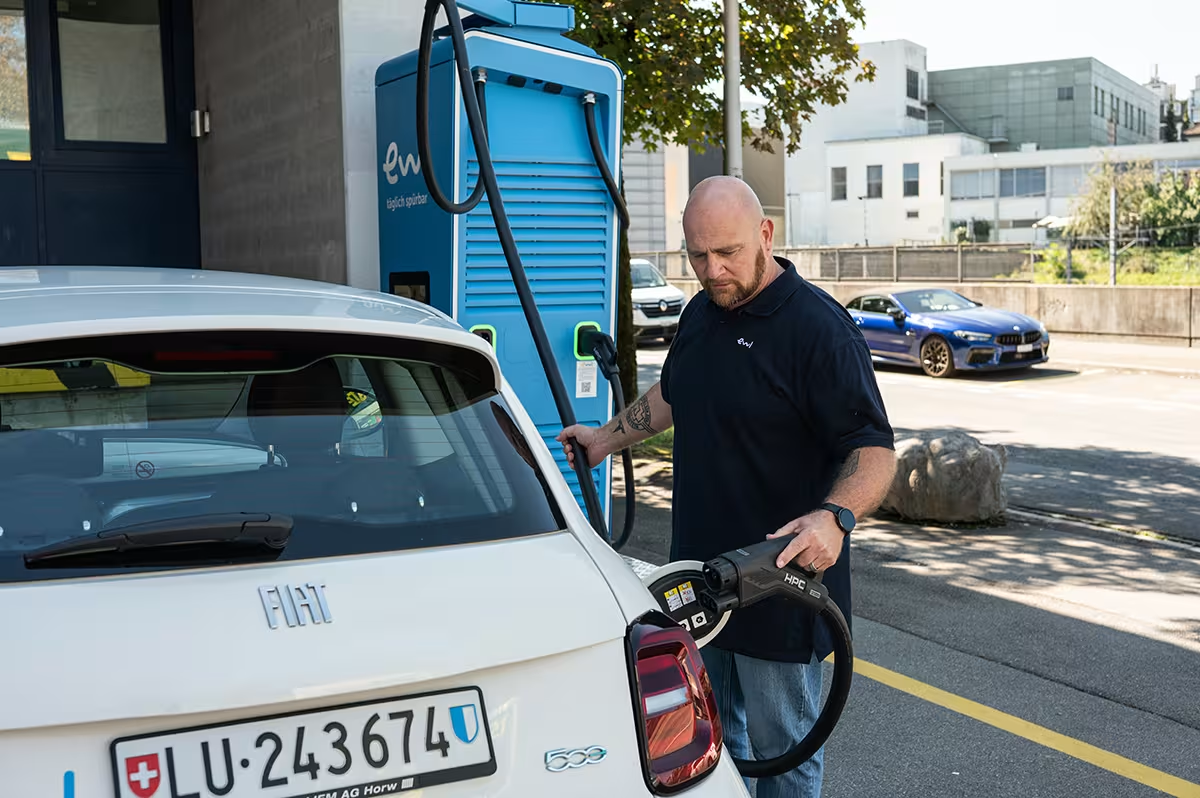
ewl operates a growing charging infrastructure with AC and DC charging stations from different manufacturers. With sintio.xlink, OCPP-compatible charging points are connected and operated through a central backend.
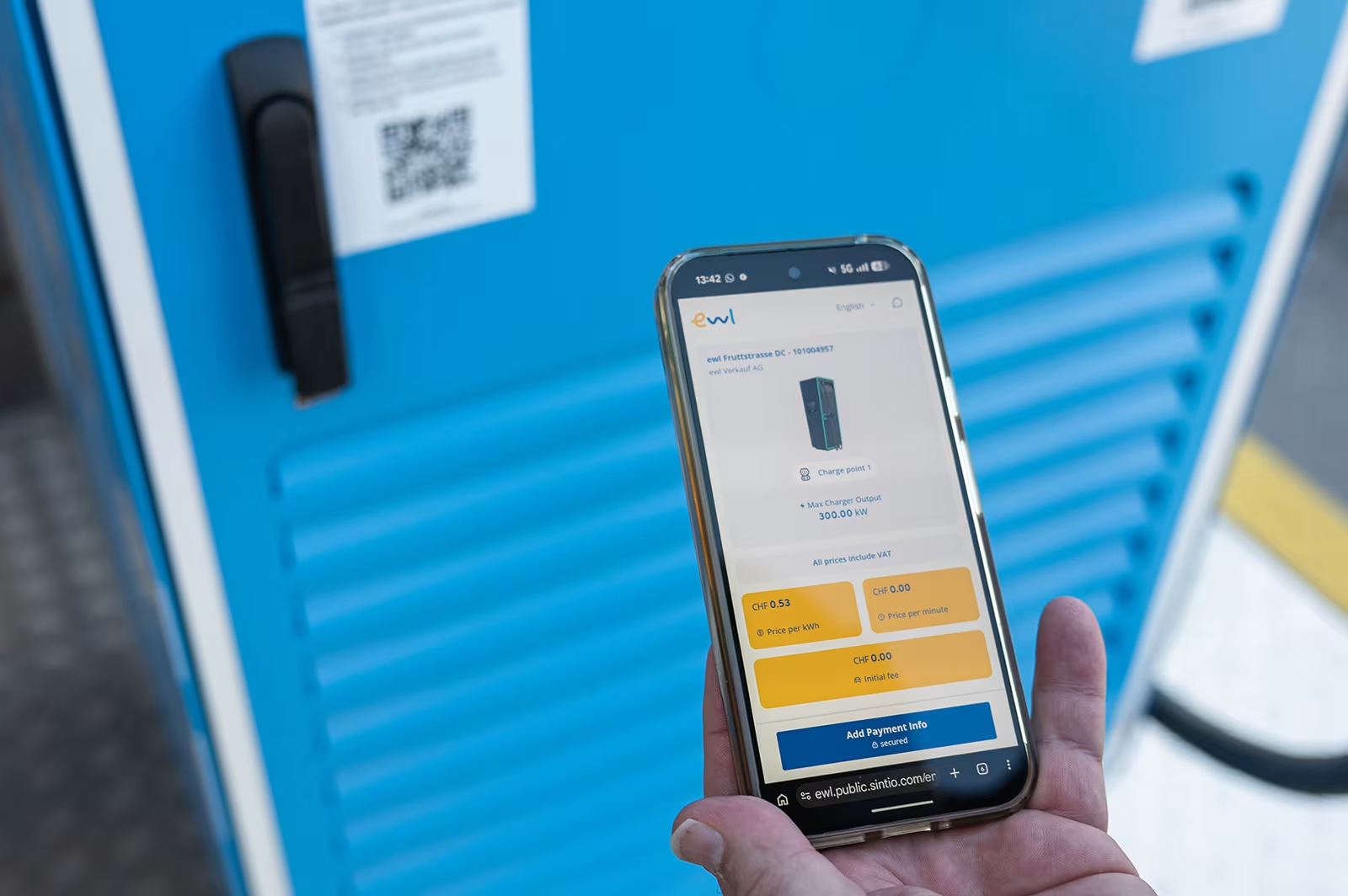
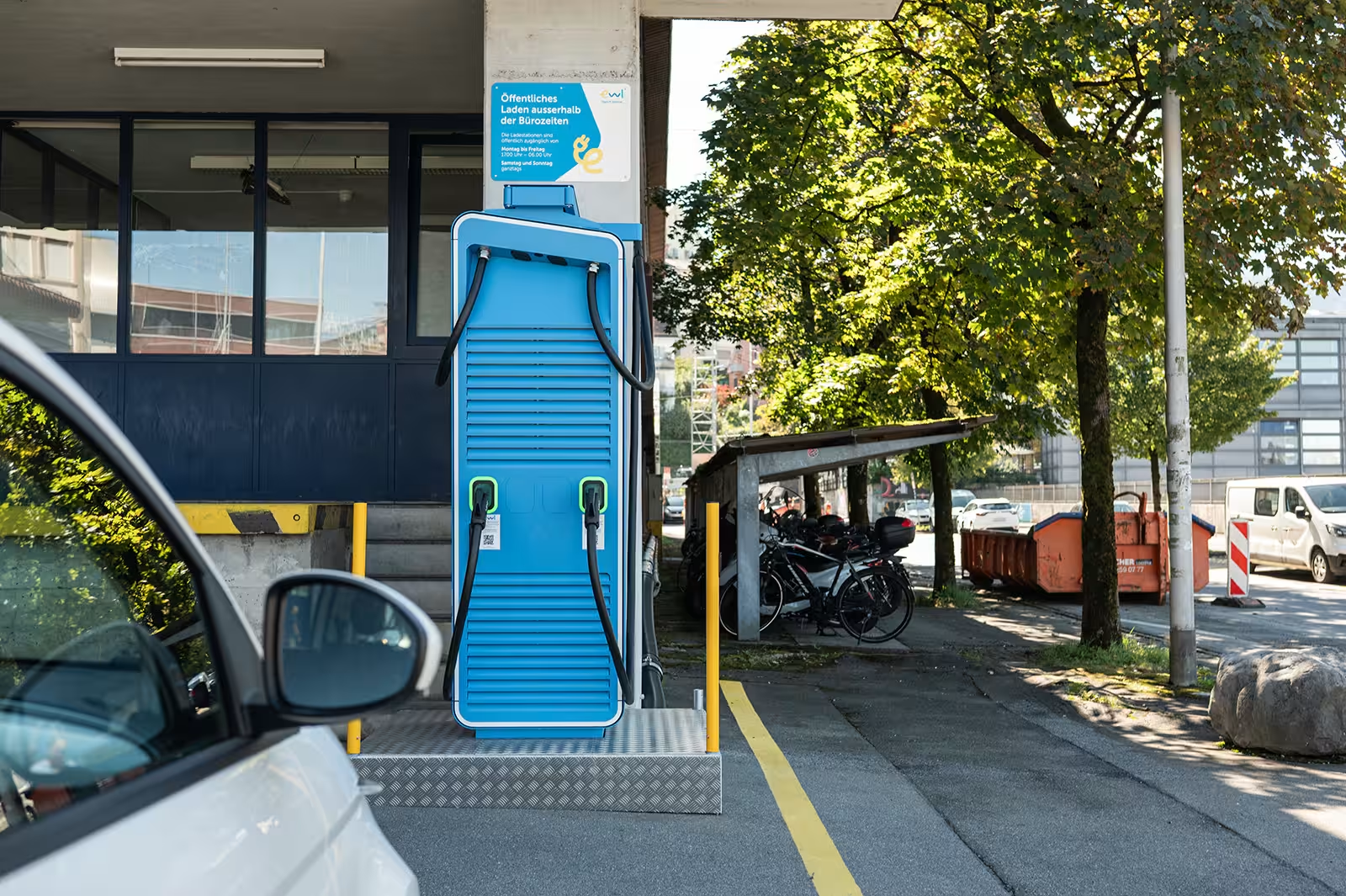
At the same time, ewl uses Sintio's white-label option. The app and portal feature ewl's corporate design, while Sintio technology operates in the background.
Access for occasional users can also be made simple. At appropriately configured public charging points, users can start an ad-hoc charging session by scanning a QR code, without prior registration.
Various common payment methods are available, including TWINT, Google Pay, Apple Pay and credit cards.
In addition, public charging infrastructure can be enabled for EV roaming. This allows users of connected e-mobility service providers to access the relevant charging points through their existing charging service, expanding the potential user base of a public charging station.
What does sintio.xlink offer energy suppliers?
For energy suppliers, sintio.xlink combines several requirements of modern charging infrastructure on a single platform:
- Multi-brand compatibility: Connect compatible OCPP charging stations from different manufacturers in one place.
- Centralised monitoring: Keep track of charging points and locations through one platform and ensure smooth operation.
- Data integration: Provide tailored charging consumption data for existing ERP and billing processes.
- Flexible tariffs: Support different electricity and e-mobility tariffs.
- White Label: Offer the portal and app in your own corporate design.
- Scalability: Integrate new locations and compatible charging points into the existing infrastructure.
- Public charging: Enable ad-hoc payments and EV roaming, depending on the configuration.
Conclusion: One central platform for growing charging networks
The larger an energy supplier's charging infrastructure becomes, the more important open interfaces, centralised management and automated data processes become.
With sintio.xlink, energy suppliers can operate compatible charging stations from different manufacturers through one central platform, seamlessly integrate consumption data into their own processes and retain control over tariffs and billing.
This allows charging infrastructure to grow efficiently without operational and billing workloads necessarily increasing with every new location.
Would you like to manage your charging infrastructure in one place and integrate your charging stations into a single platform? Discover more about sintio.xlink for energy suppliers.