What does EV roaming mean for charging station operators?
EV roaming connects different charging station operators, charging networks and e-mobility service providers.
For businesses, this means that their charging stations can also be used by customers of connected external e-mobility service providers.
Drivers therefore do not necessarily need to register directly with the operator of the charging station. Instead, they can authenticate themselves using an existing charging app, charging card or RFID badge.
The operator remains responsible for its charging infrastructure but can expand the potential user base of its charging points through roaming. This is particularly relevant for businesses operating public or semi-public charging stations that want to make them easily accessible to external users.
How does EV roaming work?
EV roaming establishes a connection between an operator's charging infrastructure and external e-mobility service providers.
First, the charging stations are operated through a backend system. With Sintio, compatible charging stations from different manufacturers can be connected to a central backend via OCPP, where they can be managed, monitored and billed.
For roaming, an additional connection is established with the participating systems in the roaming ecosystem. This allows authorised charging points to be made available to users of connected external e-mobility service providers.
A roaming charging session can be simplified as follows:
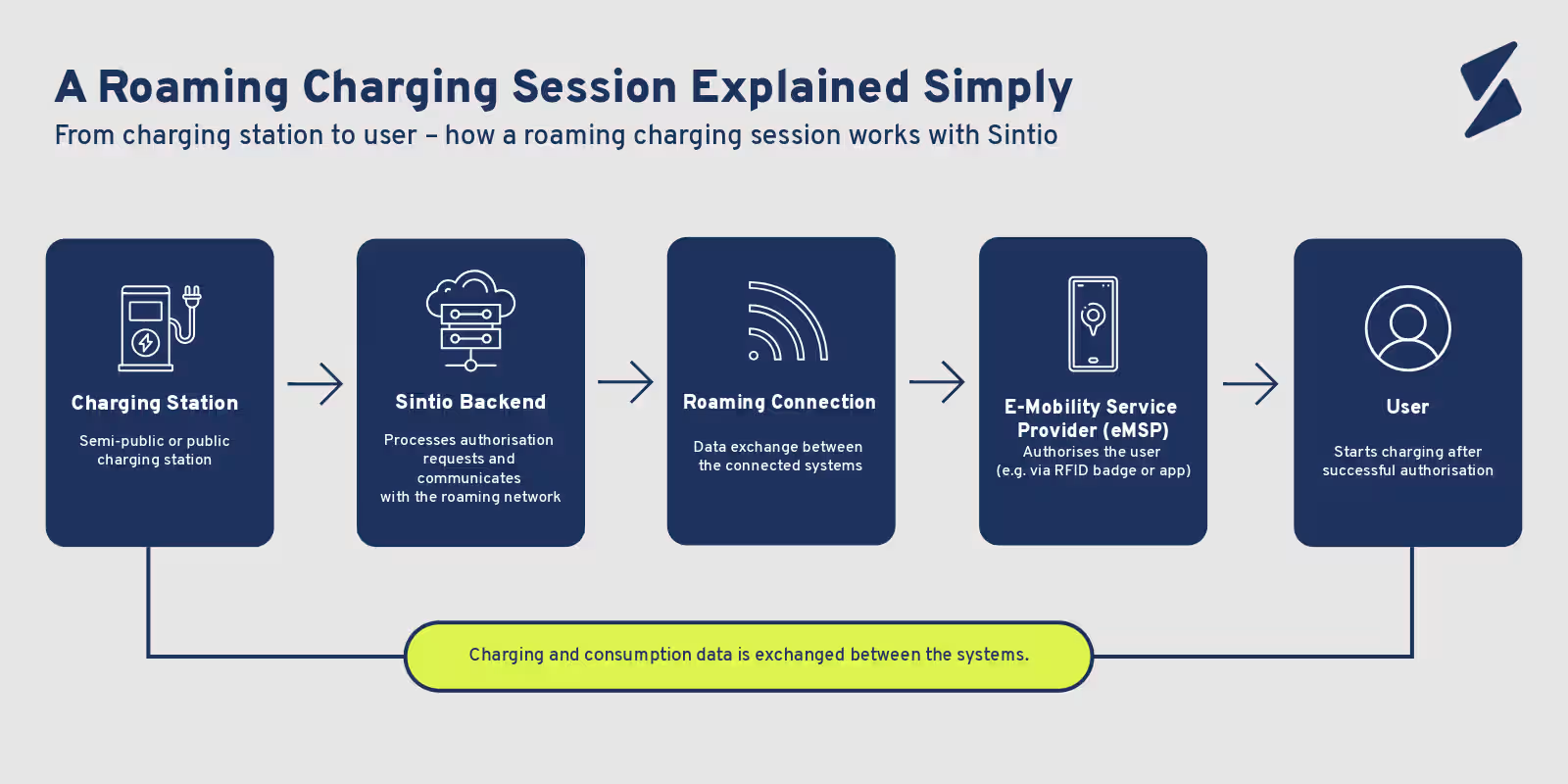
The user authenticates themselves, for example, using an RFID badge or their e-mobility service provider's app. Once authorisation is successful, the charging session can begin. The relevant charging and consumption data is then exchanged between the participating systems.
What are the benefits of EV roaming for operators?
The main advantage of EV roaming for operators is the ability to make their charging infrastructure accessible to a potentially larger user base.
Publicly accessible charging points are no longer limited to the operator's own registered users or a single access method. Depending on the connected roaming partners, customers of external e-mobility service providers can also access the charging infrastructure.
This offers several advantages for operators:
- Potentially larger user base for existing charging points
- Improved accessibility of public charging infrastructure
- More attractive charging services for external users, guests and visitors
- Reduced dependence on a single access method
- Integration of charging points into a larger charging ecosystem
- Potential for higher utilisation of publicly accessible charging stations
Roaming does not automatically increase the utilisation of existing charging infrastructure. However, it creates the conditions for more potential users to access the charging points.
Which businesses can benefit from EV roaming?
EV roaming is particularly relevant for businesses whose charging stations are publicly or semi-publicly accessible.
Examples include:
- Energy suppliers operating public charging stations
- Businesses with public or semi-public charging points
- Car park and parking facility operators
- Hotels and hospitality businesses
- Municipalities and public institutions
- Property operators with publicly accessible charging infrastructure
A business that uses its charging points exclusively for a closed group of users, such as its own vehicle fleet, does not necessarily need EV roaming. However, as soon as the charging infrastructure is intended to be accessible to external users, roaming can provide an important additional access method.
What is the difference between EV roaming and ad-hoc charging?
Both ad-hoc charging and EV roaming allow external users to access a public charging station. The key difference lies in how users authenticate themselves and how charging sessions are billed.
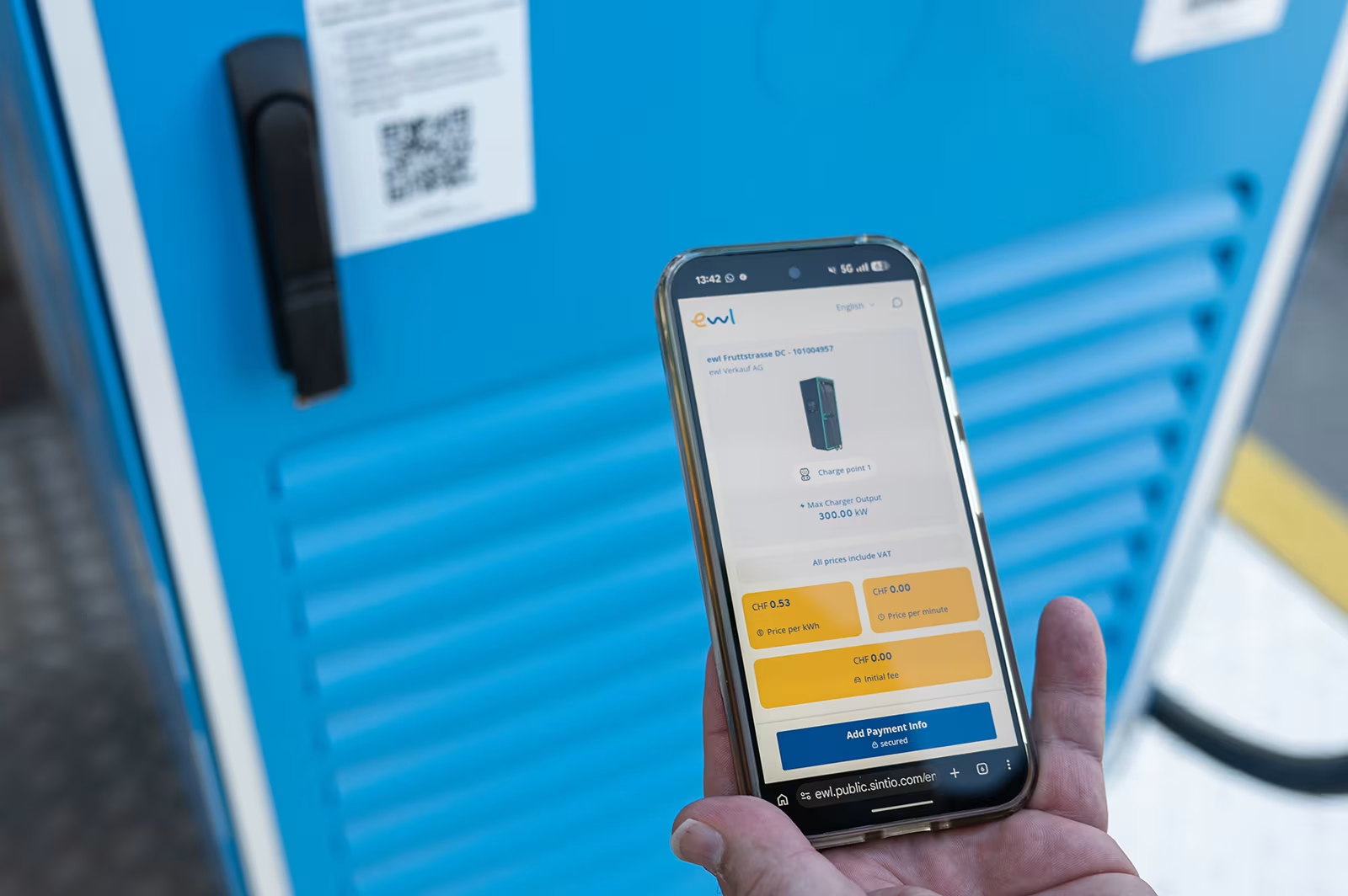
With ad-hoc charging, users do not need an existing account with a charging provider or a dedicated app. They can charge spontaneously and pay directly.
With sintio.public, for example, a charging session can be started via a QR code in just three steps: scan the QR code, enter a payment method – such as TWINT, Apple Pay, Google Pay or a credit card – and start charging.
With EV roaming, on the other hand, users already have a contract or an account with a connected e-mobility service provider. They authenticate themselves using the provider's app or an RFID badge, for example. The charging session is assigned to their existing charging service and billed through that provider.
For operators, this means that ad-hoc charging and EV roaming can complement each other. Public charging infrastructure can offer different access methods, making it available to different user groups.
New: EV roaming with Sintio
With its new roaming functionality, Sintio expands the possibilities for operating public charging infrastructure.
The Sintio backend serves as the central connection to the charging infrastructure. Among other things, it processes charging sessions and consumption data and enables centralised management of connected charging points. The Sintio platform already brings together multiple locations, users, charging sessions, consumption data and billing processes in one place.
With the new roaming functionality, suitable publicly accessible charging points can also be opened to users of connected external e-mobility service providers.
For existing Sintio customers, this means that centralised charging infrastructure management remains unchanged while an additional access method becomes available.
Practical example: Connecting a Sintio charging station to the roaming network with EasyPark
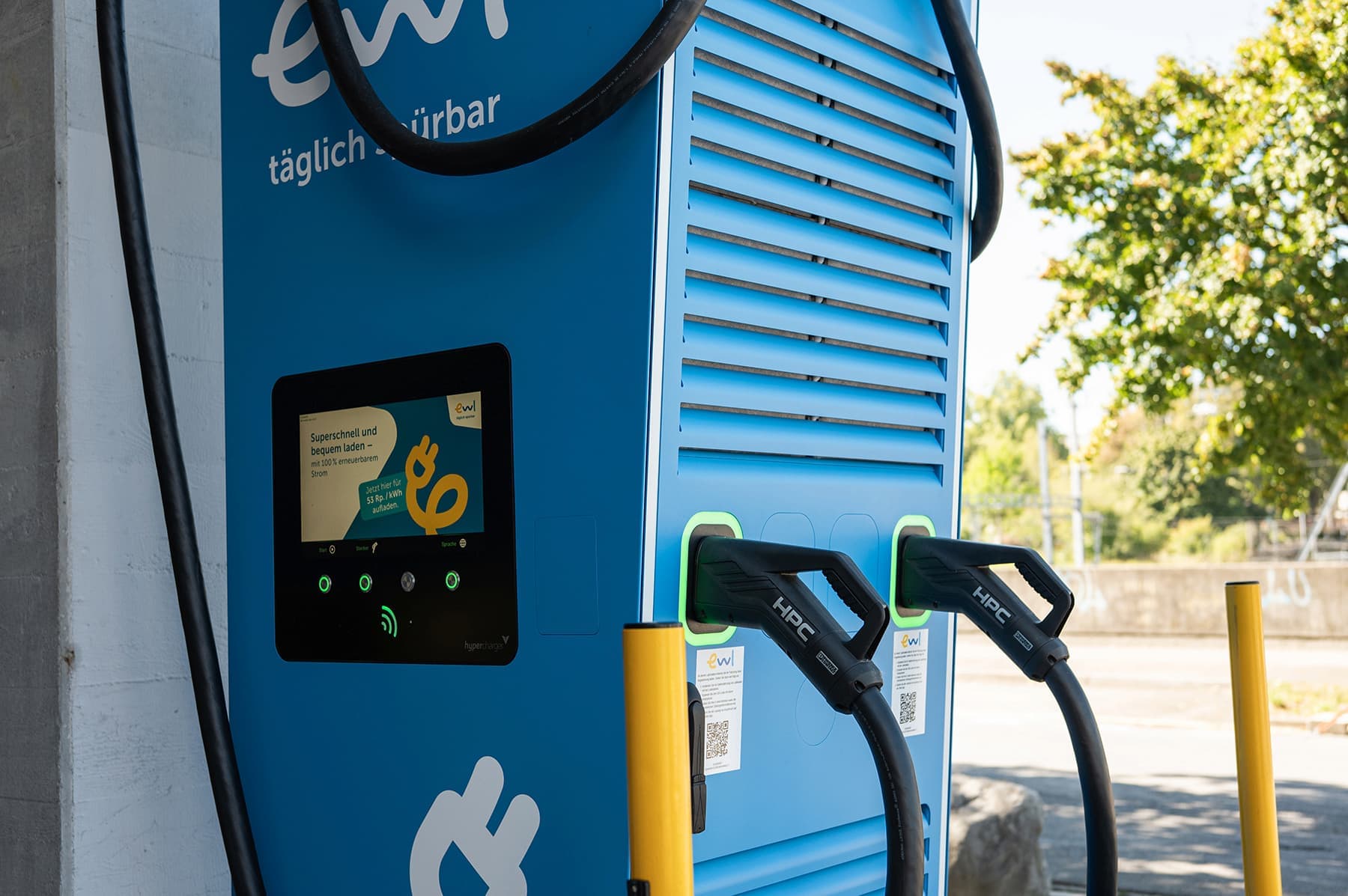
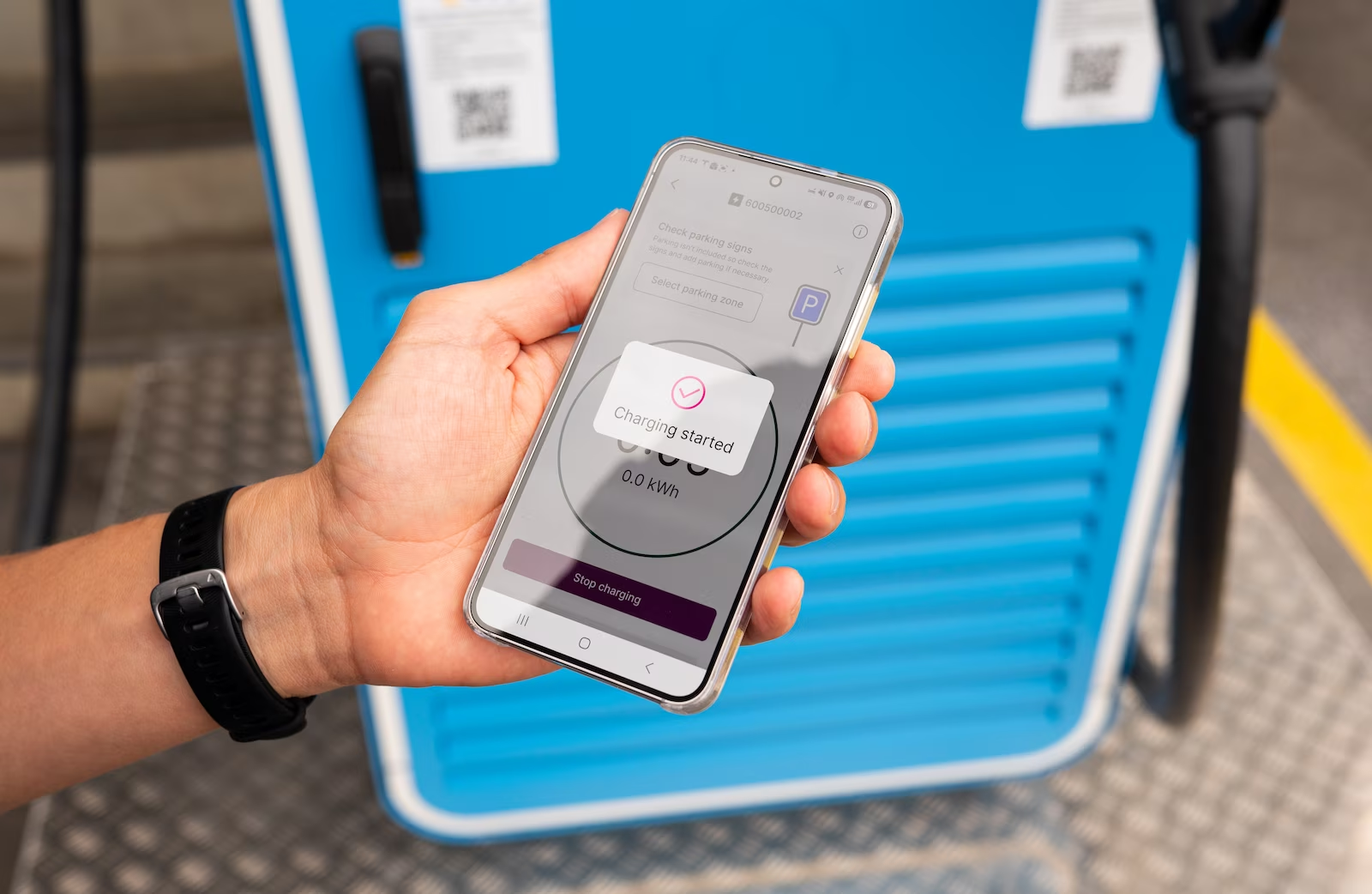
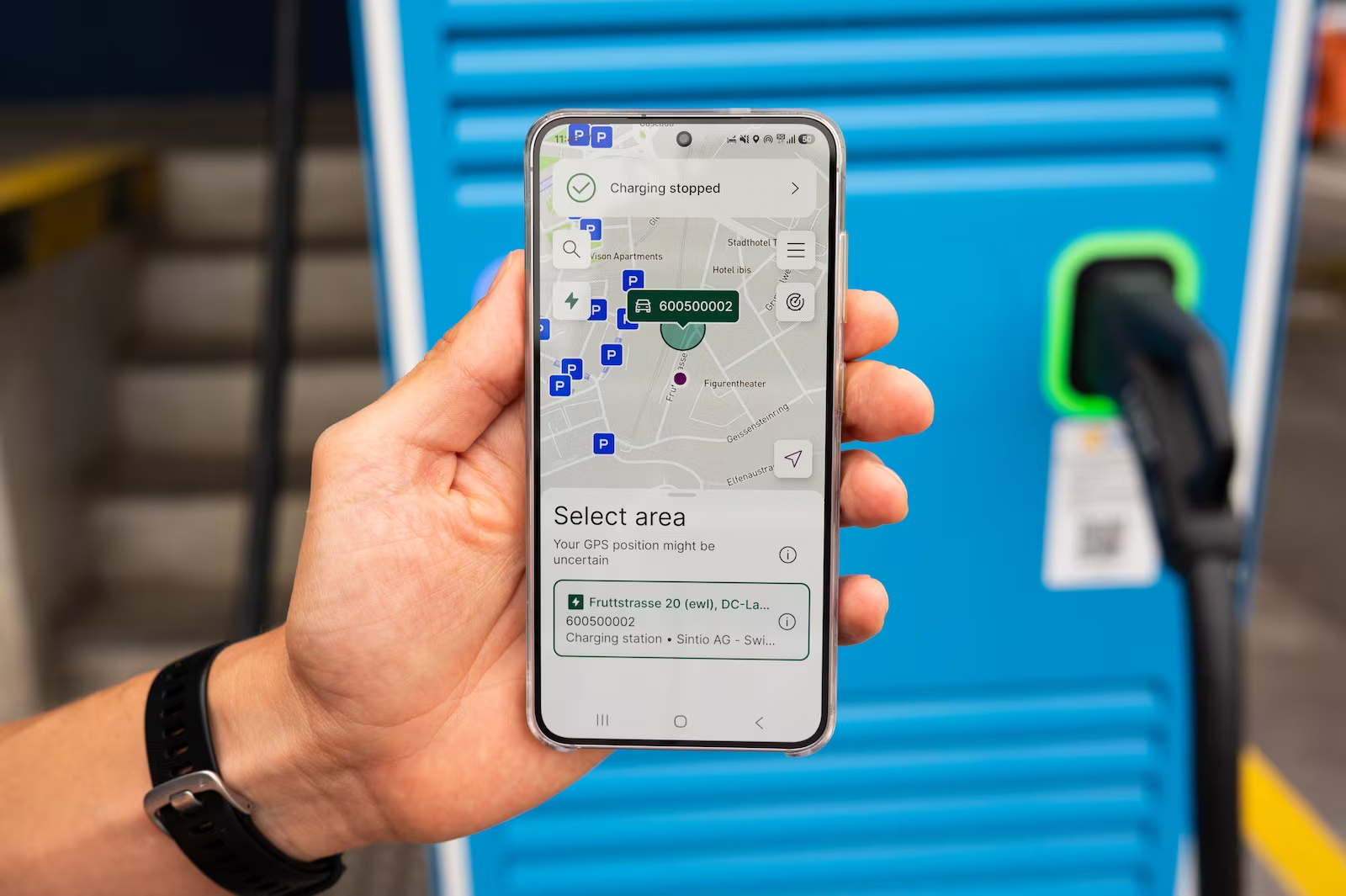
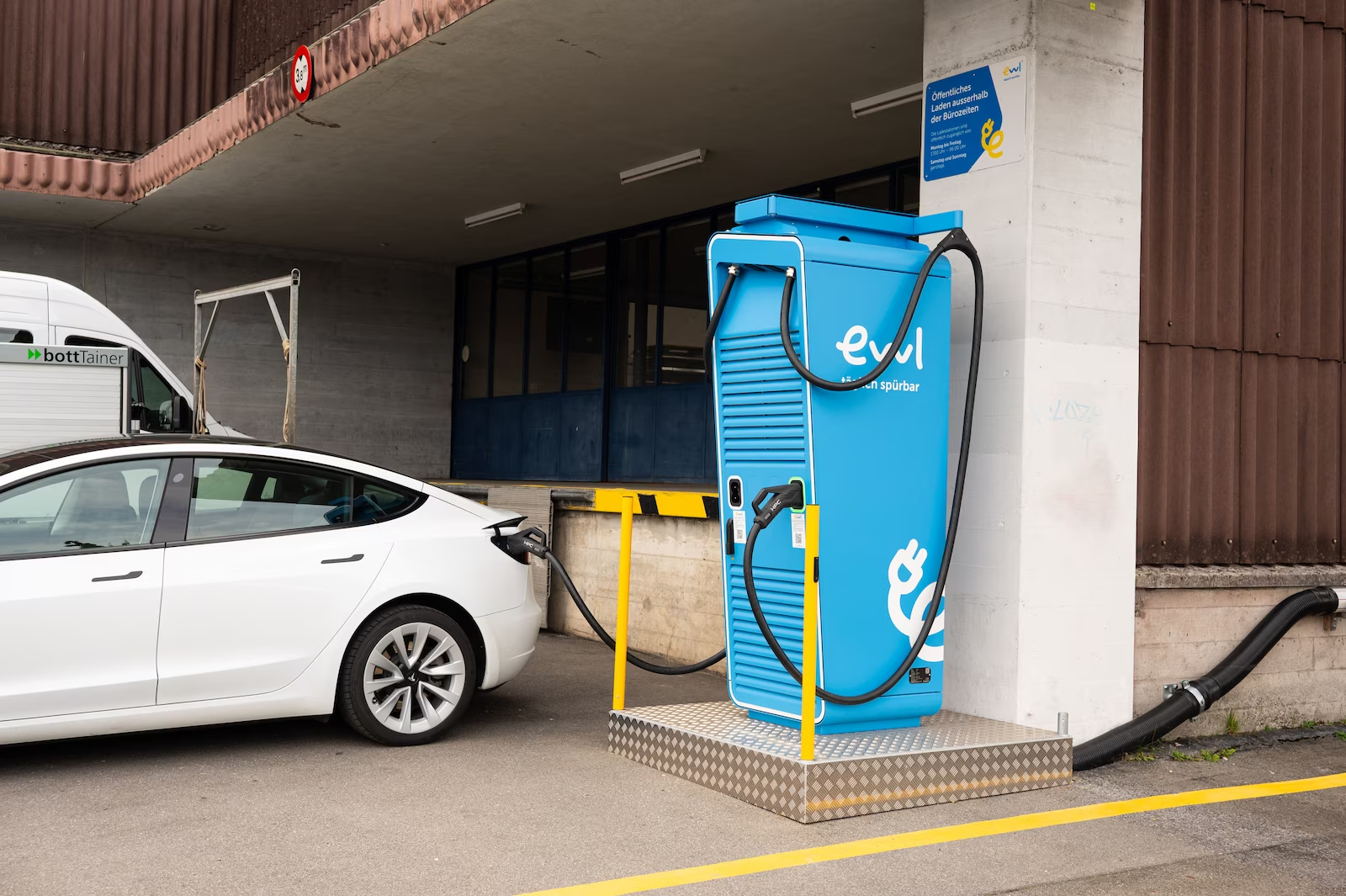
A publicly accessible charging station on the ewl premises in Lucerne, available through the EasyPark app, demonstrates how EV roaming works in practice.
The DC fast-charging station is located in the ewl car park next to the building at Industriestrasse 6. The charging station is operated via Sintio and is accessible to EasyPark users.
This means the charging point is not only operated and managed through the existing charging infrastructure but is also made accessible to users of an external mobility service such as EasyPark.
How does billing work with EV roaming?
With EV roaming, operators do not need to manage every external user as a direct customer.
Users charge at an operator's charging station even though their contract or charging account is with another e-mobility service provider (eMSP). Through the roaming connection, the charging session is assigned to the relevant eMSP.
The charging station and the Sintio backend record the data relevant to the charging session, including energy consumption in kWh and other transaction data. Once the charging session is complete, the required data is exchanged between the participating systems.
The eMSP then bills its end customer according to the applicable tariff. At the same time, financial settlement takes place between the participating parties according to the respective roaming model.
For operators, the key advantage is that external users can access their charging infrastructure without having to register and manage each user individually.
Tariffs, fees and the exact financial settlement process may vary depending on the roaming partner and contractual model.
Conclusion: EV roaming expands the possibilities of public charging infrastructure
EV roaming enables businesses to make their public and semi-public charging infrastructure accessible to a potentially larger user base. Instead of registering and managing every external user themselves, operators can allow connected mobility service providers to offer access to authorised charging points.
Combined with the Sintio backend, this creates an open and flexible infrastructure on two levels.
Via OCPP, compatible charging stations from different manufacturers can be connected to the central Sintio backend. Sintio supports centralised management, monitoring, and the recording and billing of charging sessions.
EV roaming extends this infrastructure by connecting it to external e-mobility service providers and their users.
In simple terms:
OCPP connects different charging stations to a central backend. EV roaming connects charging infrastructure to a larger charging ecosystem. Sintio brings both levels together.
Do you operate public or semi-public charging stations and want to make them accessible to more users? Discover how EV roaming with Sintio can be integrated into your existing charging infrastructure.