Businesses, electrical installers and energy suppliers increasingly want to offer their customers a complete e-mobility solution from a single provider – from installing charging stations to ongoing operation and billing. However, developing a proprietary software platform involves considerable development and maintenance effort.
A white-label platform for charging infrastructure offers an alternative: the portal and app feature the company's own corporate design, while existing technology handles the operation and billing of charging stations in the background.
With Sintio's white-label solution, businesses can make their brand visible throughout the entire customer journey without having to develop their own charging and billing platform. In this article, we explain how it works and how Hustech is already using this solution.
What does white label mean for charging infrastructure?
In e-mobility, white label refers to a software platform for operating, managing and billing charging infrastructure that is offered in a company's own corporate design.
The logo, colours and brand identity are customised to match the company. For users, the charging platform therefore appears as part of a familiar brand, while the underlying technical infrastructure is provided by a specialised software provider.
With Sintio's white-label solution, this applies to the digital touchpoints throughout the charging process – from accessing a charging station to managing and billing charging sessions.
How does a white-label solution for charging stations work?
The foundation is the connection between the charging station and the OCPP backend. OCPP (Open Charge Point Protocol) enables communication between compatible charging stations and a central software platform.
With Sintio, OCPP-compatible charging stations can be connected to the backend and managed centrally. Different access options are available for operators and users:
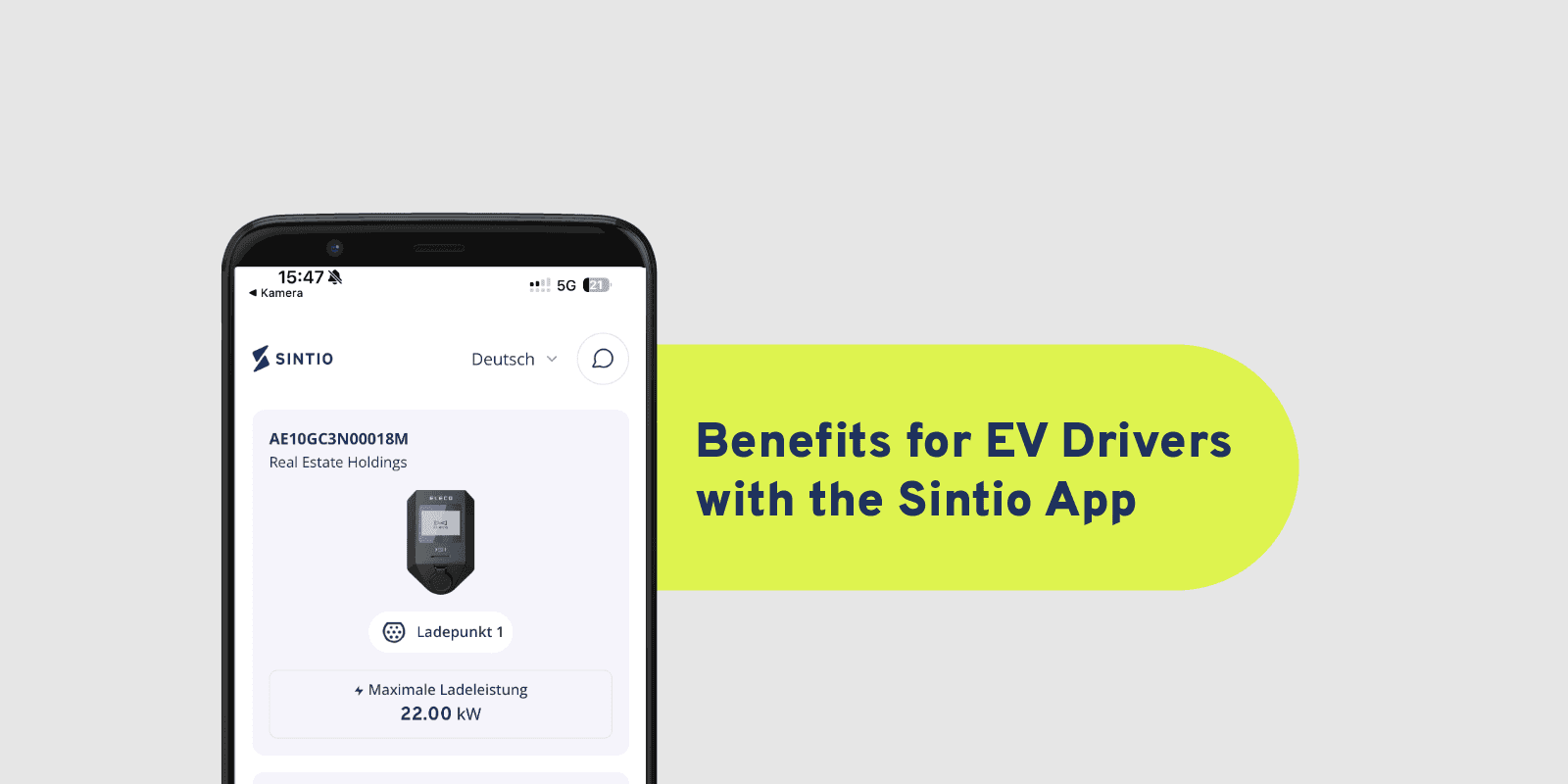
- Mobile app for iOS and Android: For regular users of the charging infrastructure.
- Web app: Accessible directly via a QR code without having to install an app.
- Browser-based portal: For managing, monitoring and controlling the charging infrastructure.
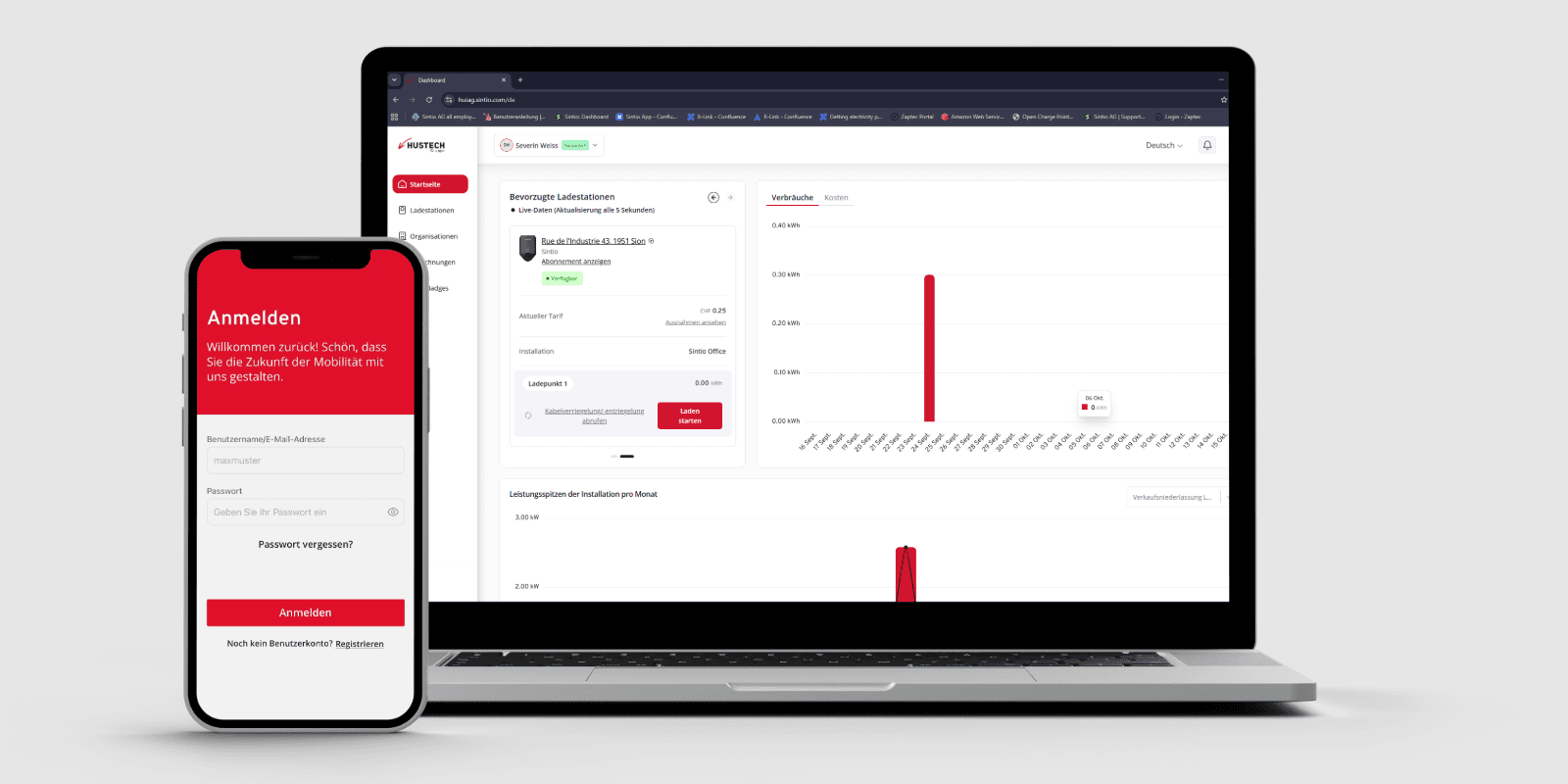
With a white-label solution, these interfaces are customised to match the company's corporate design. The white-label customer's logo and brand colours take centre stage, while Sintio technology operates in the background.
This creates a consistent digital user experience under the company's own brand.
What are the benefits of white labelling in e-mobility?
A white-label software platform is particularly interesting for businesses that want to offer their customers more than just the installation of charging stations and continue supporting them during ongoing operation.
- Your brand remains visible: The customer journey does not end with installation. Your logo, colours and brand identity remain visible to users during everyday charging.
- No need to develop your own software: Instead of developing a proprietary charging and billing platform, businesses can use an existing technical infrastructure and customise it to match their brand identity.
- Centralised charging infrastructure management: Charging points, users, tariffs and charging sessions can all be managed through one central platform.
- Flexible tariffs and business models: Individual electricity tariffs and service fees can be defined and applied according to the respective business model.
- Multi-brand compatibility and scalability: Thanks to OCPP, compatible charging stations from different manufacturers can be connected. This means that different charging station models across multiple locations can be managed through the same backend, providing flexibility when expanding charging infrastructure.
Who can benefit from a white-label solution?
A white-label platform is particularly suitable for businesses that want to offer e-mobility services under their own brand and maintain customer relationships beyond the installation of charging infrastructure.
- Energy suppliers can offer charging services under their established brand, apply their own tariffs and integrate e-mobility into existing customer relationships.
- Electrical installers and e-mobility providers can expand their services from planning and installation to operation and billing without having to develop their own software platform.
- Businesses and fleet operators can operate charging infrastructure for different user groups, such as employees, fleet vehicles and visitors, through a central platform while maintaining their own brand identity.
White label or develop your own software?
Businesses that want to offer a charging platform under their own brand face a fundamental question: develop their own software or use an existing white-label solution?
Developing a proprietary platform offers extensive customisation possibilities but also involves significant development, operational and maintenance effort. In addition to the initial development, future updates, technical improvements and ongoing operation must also be considered.
A white-label solution, on the other hand, uses an established, proven platform that is customised to match the company's brand identity. Businesses gain the technical foundation for operating and billing their charging infrastructure without having to develop and operate an entire software platform themselves.
Depending on the requirements, individual customisations are also possible within a white-label platform.
White label in practice: How Hustech extends its brand into the charging experience
Hustech has many years of experience in e-mobility and implements charging infrastructure projects of various sizes. To ensure that customer relationships continue beyond installation, Hustech also uses the sintio.light billing solution in combination with Sintio's white-label service.
The digital interfaces have been customised to reflect Hustech's brand identity. The web app and browser-based portal feature Hustech's colours and branding.
With Power On, users also have access to a dedicated mobile app. The app was developed in collaboration with Sintio's software team and tailored to Hustech's requirements.
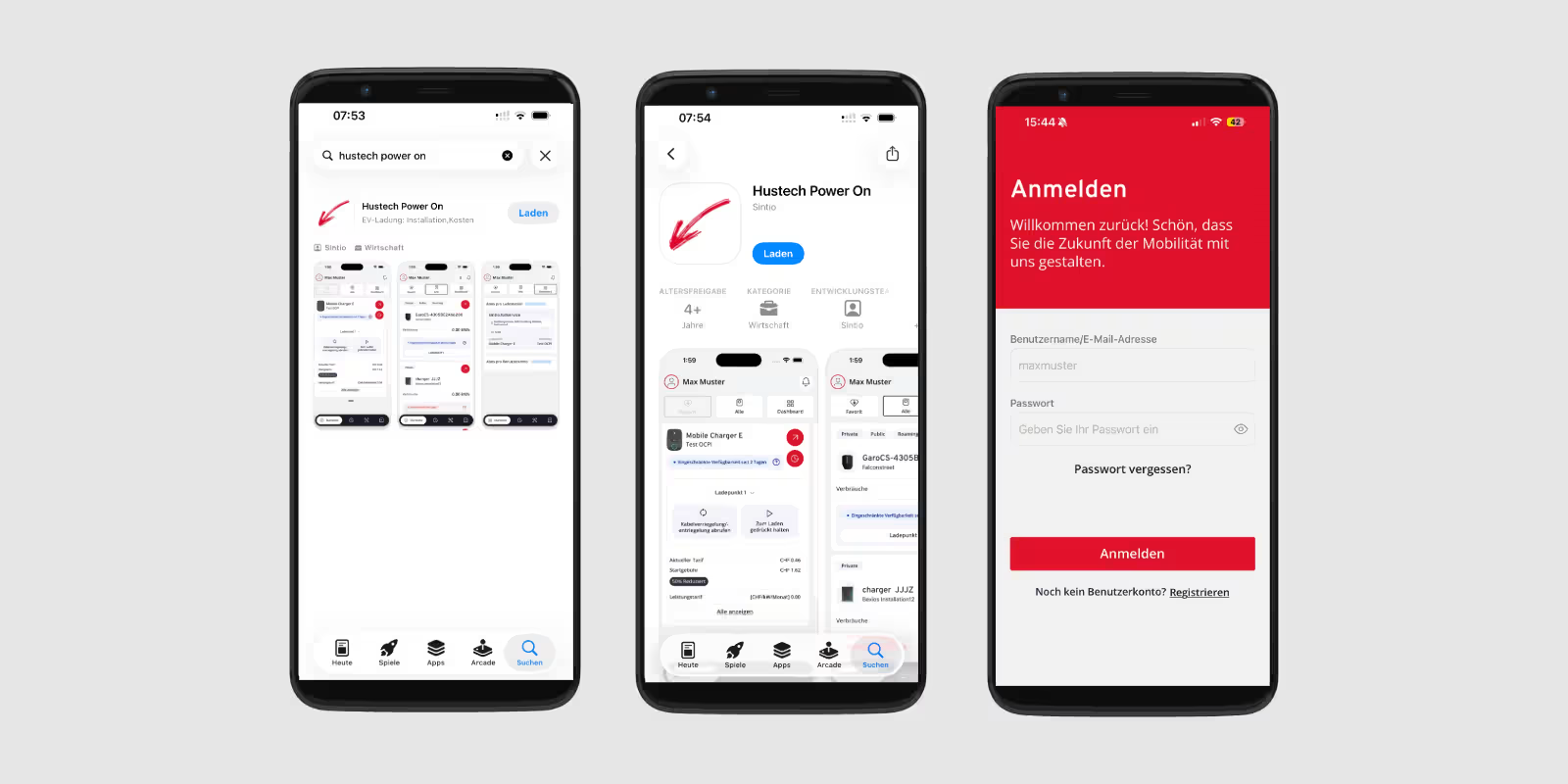
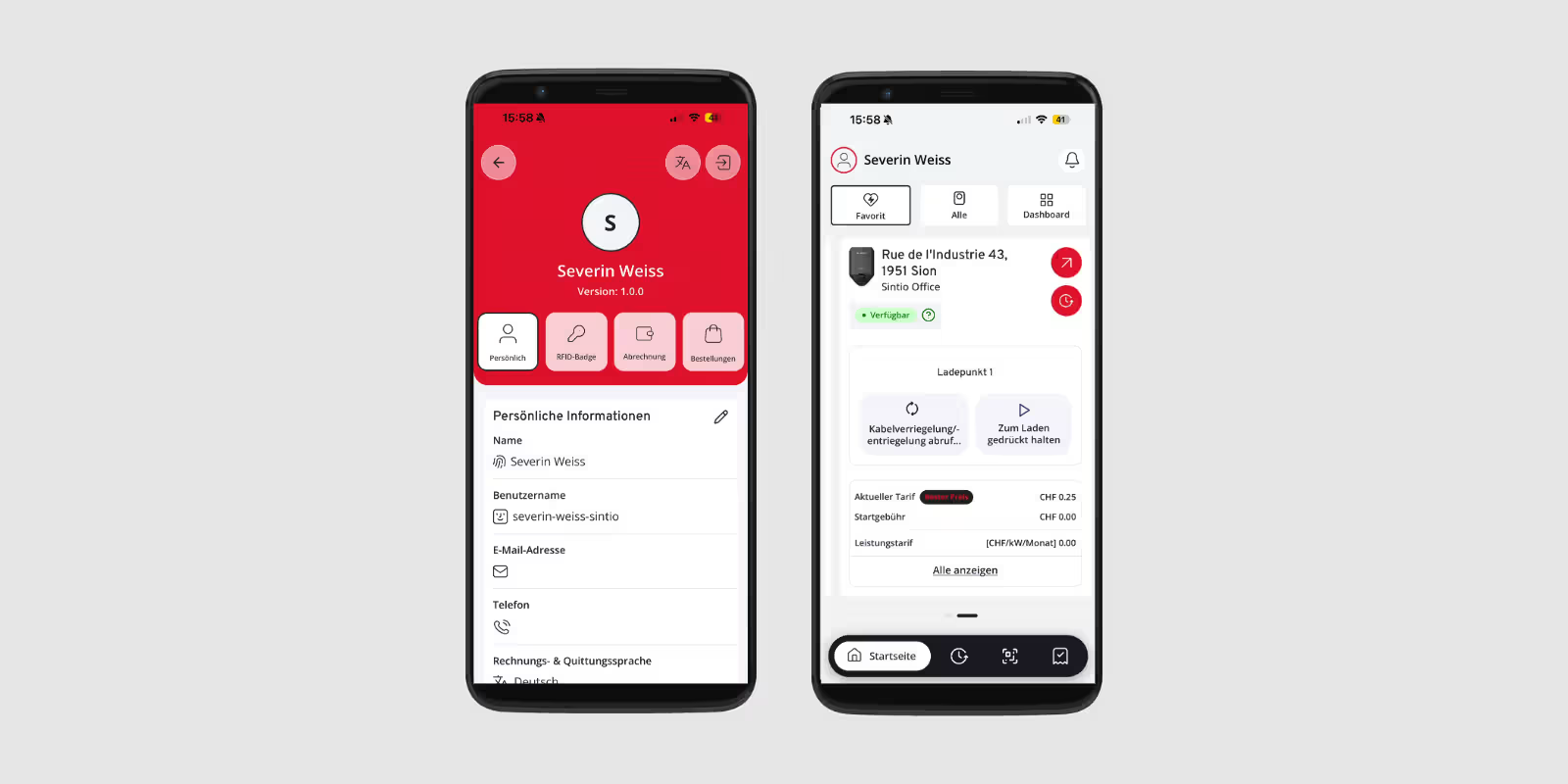
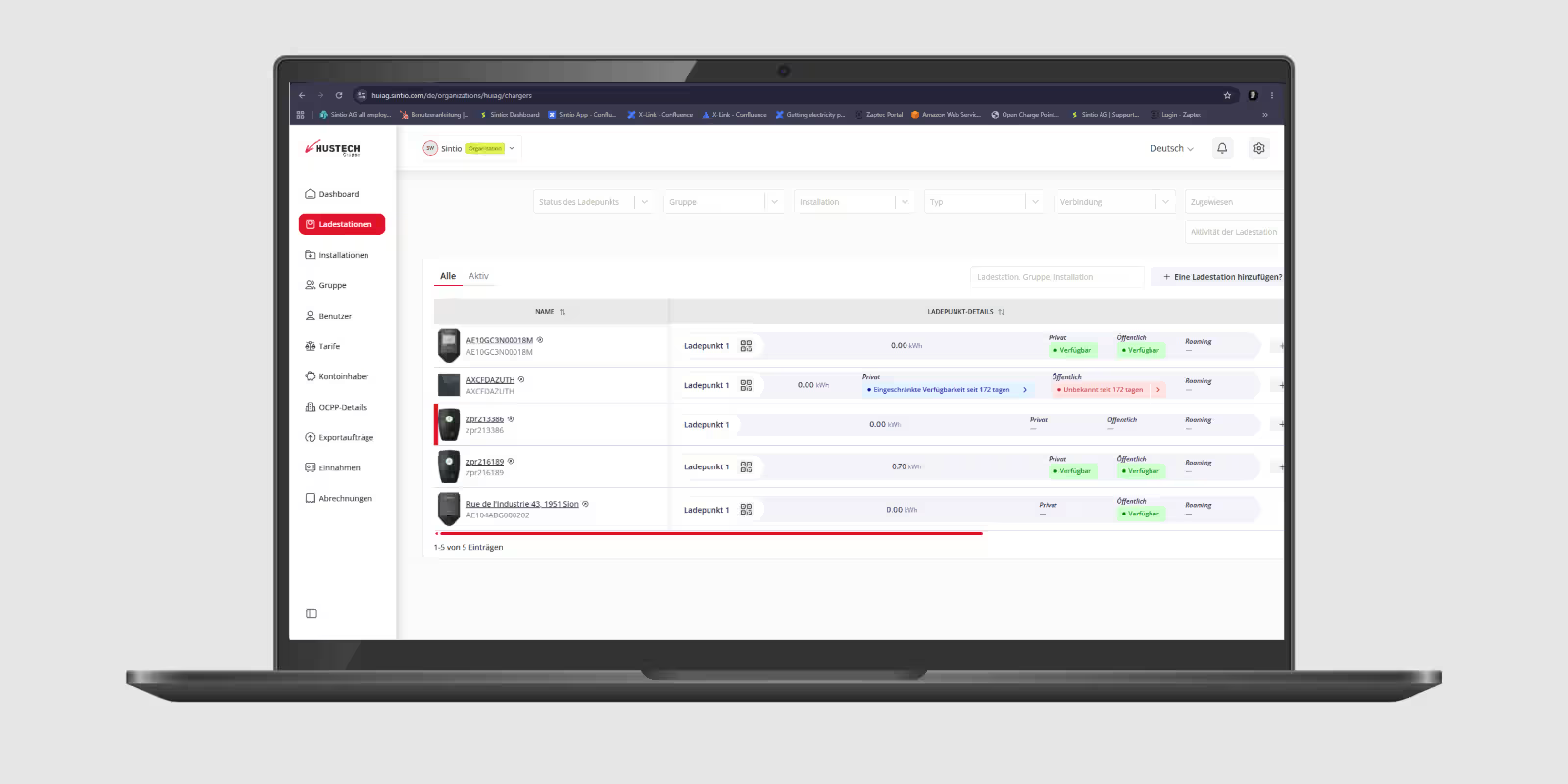
This allows Hustech to provide its customers not only with charging infrastructure but also with its own digital solution for charging and billing – powered by Sintio technology in the background.
Conclusion: Offering charging infrastructure under your own brand
A white-label solution enables businesses to offer a professional platform for operating and billing charging infrastructure under their own brand without having to develop software from scratch.
The portal and app create a consistent brand experience, while management, tariff and billing functions are provided centrally through an established platform. By connecting OCPP-compatible charging stations, the charging infrastructure also remains flexible and can be expanded independently of individual manufacturers.
With Sintio's various billing models and white-label solution, energy suppliers, electrical installers and businesses can expand their existing e-mobility services and keep their brand visible throughout everyday charging.